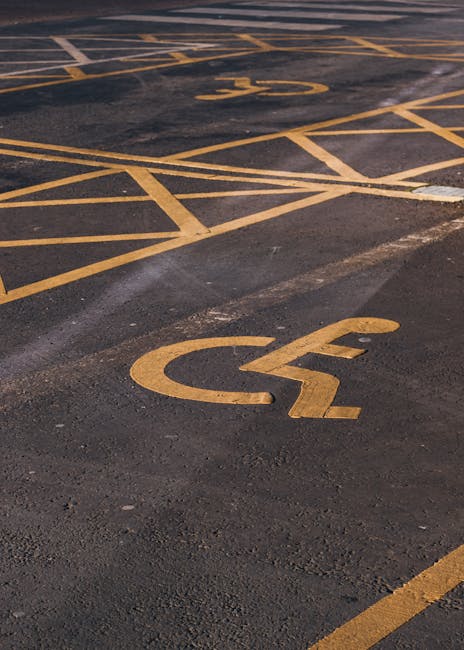
Jamaica Road house removals parking and permit tips
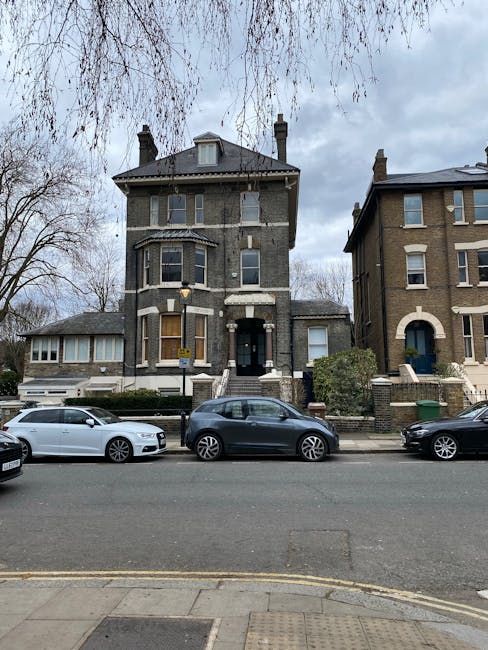
Moving home on a busy London road is never just about boxes and a van. If you are planning a move along Jamaica Road, the real headache often starts with the kerbside: where the vehicle can stop, how long it can stay, and whether you need a permit, suspension, or some other bit of paperwork sorted before moving day. That is where sensible Jamaica Road house removals parking and permit tips can save you time, money, and a fair bit of stress.
In practical terms, the goal is simple: keep the truck close, keep access clear, and avoid a last-minute scramble because the driver has nowhere legal to load. In our experience, that one detail can make the difference between a move that flows and one that turns into a slow, noisy, frustrating morning with people standing around the pavement at 8:15 in the rain.
This guide breaks down how parking usually works around a busy South London route like Jamaica Road, what to think about when permits come into play, and how to plan for the kind of real-world issues removals teams actually see. It also covers mistakes people make all the time, a simple checklist, and the best way to prepare if you want the move to feel controlled rather than chaotic.
- Why Jamaica Road house removals parking and permit tips matters
- How Jamaica Road house removals parking and permit tips works
- Key benefits and practical advantages
- Who this is for and when it makes sense
- Step-by-step guidance
- Expert tips for better results
- Common mistakes to avoid
- Tools, resources and recommendations
- Law, compliance, standards, or best practice
- Options, methods, or comparison table
- Case study or real-world example
- Practical checklist
- Conclusion
- Frequently asked questions
Why Jamaica Road house removals parking and permit tips Matters
Jamaica Road is not the kind of street where you can casually pull up, open the tail lift, and assume everything will be fine. It is part of a busy urban environment with regular traffic, tight access in places, residents' bays, loading restrictions, and the usual London problem of everyone needing the same piece of road at the same time.
That matters because removals are time-sensitive. A team cannot efficiently carry wardrobes, mattresses, or dismantled furniture if the van is parked two streets away. Every extra metre between the property and the vehicle adds steps, slows loading, and increases the chance of damage. It also makes the whole day feel longer than it needs to. Nobody wants that.
Parking and permit planning matters even more if you live in a flat, on a terraced street, or in a property with limited frontage. If the road outside is narrow, or if the nearest legal space is already occupied, your move can suddenly become a problem-solving exercise. And to be fair, that is not the kind of problem you want to improvise while the kettle is already packed.
Good parking planning also reduces neighbour friction. If a removals vehicle blocks a driveway, sits in a loading bay too long, or causes avoidable congestion, you can end up with complaints before the sofa has even left the house. A little planning goes a long way. It really does.
If you are comparing support options for the move itself, it can help to look at broader services such as house removals and removal services, especially if you want one team to handle both transport and loading logistics.
How Jamaica Road house removals parking and permit tips Works
The process usually comes down to three things: checking access, confirming whether any parking controls apply, and choosing the right vehicle and timing. In plain English, you are trying to answer a few basic questions before move day:
- Can the removals vehicle stop close enough to the property?
- Is there a bay, yellow line, loading restriction, or resident-only parking nearby?
- Will the team need a temporary parking dispensation, suspension, or another local approval?
- Is the road wide enough for safe loading and unloading?
- Do you need a smaller vehicle, shuttle van, or a single larger lorry?
Different moves need different setups. A top-floor flat with a tight stairwell and no lift is not the same as a ground-floor house with a driveway. Likewise, a bulky three-bedroom move may need a vehicle parked as close as legally possible, while a smaller one-bedroom move might work better with a man and van style service or a compact removal van.
On busy roads, removals crews often use a hybrid approach: a legally positioned vehicle close to the property, plus protected carrying routes into the home. If parking is awkward, a second smaller vehicle or a staged loading plan may be more practical. It sounds simple, but the real win is in the planning.
Permits and permissions are usually about preventing fines, avoiding vehicle relocation, and keeping the move within the law and local rules. Depending on the exact street conditions, this may involve a parking bay suspension, a visitor permit arrangement, a loading allowance, or simply careful scheduling during a quieter window. The right answer depends on the property and the road layout, so do not assume one-size-fits-all.
Key Benefits and Practical Advantages
Getting parking and permits right is not just about avoiding a ticket. It has a real impact on the whole move.
- Faster loading and unloading - fewer steps mean less time carrying and less fatigue.
- Lower risk of damage - when furniture travels fewer metres across pavements and stairwells, the odds of scuffs and knocks go down.
- Less disruption - neighbours, pedestrians, and passing traffic are less likely to be affected.
- Better crew efficiency - your removals team can keep a steady rhythm rather than stopping and starting.
- Reduced stress - there is something calming about knowing the vehicle is legally parked and you are not racing the clock.
There is also a financial benefit, though it is easy to overlook. Delays caused by poor parking can add labour time, and in some cases force a reschedule or a second trip. That is the sort of hidden cost people only notice after the fact. Not ideal.
If you are trying to keep the move cost-effective, compare your likely vehicle needs with moving van and moving truck options, then match that with the road space you actually have. Bigger is not always better if the street cannot comfortably take it.
A small move in a crowded street can sometimes benefit from a more agile setup. A larger move may justify a stronger logistics plan and perhaps more formal parking arrangements. Either way, the biggest benefit is control.
Who This Is For and When It Makes Sense
This is useful for almost anyone moving in or around Jamaica Road, but some people will feel the benefit more sharply than others.
- Flat movers - especially where there is no driveway, courtyard, or direct frontage.
- Families moving from terraced or semi-detached homes - where on-street parking is already competitive.
- Older residents downsizing - who may need extra time and a calmer, safer loading process.
- Busy professionals - who need the move done efficiently and cannot afford a long delay.
- Landlords and letting agents - coordinating tenant changes and trying to avoid complaints.
- Commercial clients - if the relocation is mixed-use or involves a home office setup.
It also makes sense if you are deciding between a bigger removals vehicle and a smaller, more flexible option. For example, if the street outside has limited stopping space, a smaller van may be easier to place legally than a long vehicle. That does not automatically mean it is the better choice, but it should absolutely be part of the discussion.
For people looking at broader moving support, the dedicated home moves service and house movers pages can help you compare the scope of support available. If you only need a lighter-touch option, man with van style help may be enough.
Step-by-Step Guidance
Here is a practical way to plan your Jamaica Road move without overcomplicating it.
- Check the frontage outside the property
Look at how much usable space there is for a vehicle to stop. Measure roughly if you can. A quick visual check at street level often tells you more than guessing from inside the house. - Identify parking restrictions
Scan for residents' bays, loading bays, yellow lines, kerb markings, and time restrictions. Do not rely on memory alone. Streets change, and London roads can be fussy in ways that are almost comedic. - Decide whether a permit or suspension is needed
If there is no legal stopping space near the property, ask early about what is required. Some moves only need a simple arrangement, while others may need more formal permission. - Choose the right vehicle size
Pick a van or truck that fits the road and the load. A smaller vehicle can be easier to position; a larger one may reduce the number of trips. You want the sweet spot, not just the biggest option. - Plan the arrival window
Morning slots are often better for busy roads because there is usually less competing traffic. But if the street is resident-heavy, later quieter periods can sometimes work better. It depends. - Protect the walking route
Make sure the path from the front door to the vehicle is clear. Loose mats, bins, plant pots, bikes, and random hallway clutter become annoying very quickly. - Keep paperwork and contact details ready
If a parking issue appears on the day, the team should know who to call and what arrangement has been made. One missing detail can waste 20 minutes without trying very hard. - Brief the removals team before the day
Tell them about narrow entrances, stairs, parking issues, or local access quirks. If there is a lift, a concierge, or a shared entrance, say so early.
If you want the move handled end to end, a reputable removal company can often help you think through the access side before the van even arrives. That's worth a lot.
Expert Tips for Better Results
A few small choices can make a big difference on a busy road.
- Do a dry run at the same time of day - Jamaica Road can feel very different at 7:30am compared with mid-afternoon.
- Photograph the parking area - this helps if you need to explain access conditions to the removals team.
- Use labels for fragile or heavy items - when parking is tricky, time saved at the door matters.
- Keep essentials in one clearly marked bag - tea, keys, chargers, medication, kettle bits. The boring stuff suddenly becomes the important stuff.
- Book early if parking is likely to be tight - the more complex the access, the less you want to leave arrangements to chance.
- Ask about insurance and handling - good movers should be able to explain how they protect items when they have to carry them further than usual. If you want to compare that side of things, have a look at insurance and safety.
Another useful tip: do not overpack the front hallway on move morning. A clear route beats a beautiful route. Every time.
And if you are moving a mix of furniture, boxes, and awkward items, a service like packing and unpacking services can save a surprising amount of time. Not glamorous, but practical. Very practical.
Common Mistakes to Avoid
Some mistakes keep appearing because people only think about them after the van is already outside. Better to catch them early.
- Assuming there will always be space - there often is not, especially on a road with steady traffic and resident demand.
- Leaving permit checks too late - last-minute arrangements can be awkward or simply unavailable.
- Booking the wrong vehicle size - too big can be awkward; too small means extra trips.
- Ignoring stairwell or doorway pinch points - parking is only one part of access.
- Forgetting about nearby schools, bin days, or local traffic peaks - these little things can make a busy road feel busier still.
- Not warning neighbours - a polite heads-up can prevent a lot of tension.
- Leaving clutter at the kerb - bins, recycling boxes, and plant pots cause avoidable delays.
One common trap is assuming that because a van can physically fit on the road, it can legally stop there for removals. Those are not the same thing. Not even close.
Another is forgetting that your own loading time affects the vehicle choice. If you are still tape-wrapping lampshades while the crew waits, every parking minute becomes more expensive. That is where planning pays off.
Tools, Resources and Recommendations
You do not need specialist software or a complicated planning system. A few simple tools are enough for most house moves on Jamaica Road.
- Phone camera - take photos of the road, frontage, and any parking signs.
- Notes app - keep a quick record of restrictions, contact names, and access details.
- Measuring tape - helpful if you want a rough idea of whether a van or larger truck is realistic.
- Floor plan or room list - makes loading more efficient.
- Box labels - simple but powerful, especially when items need to be carried a longer distance.
If you are still deciding which type of support fits your move, the following pages can help you compare practical options:
- man and van removals for smaller or more flexible jobs
- removals van for compact local moves
- movers if you want a broader service overview
- pricing and quotes when you are comparing likely costs
That last point matters because access difficulties can affect pricing. Not always dramatically, but enough that honest quoting is worth insisting on.
Law, Compliance, Standards, or Best Practice
For parking and permit planning, the safest approach is to treat the road as a controlled public space, not a flexible loading area you can improvise on the day. In London, local parking controls, bays, and restrictions are taken seriously, and removals teams should work within them rather than around them.
From a best-practice point of view, that means:
- checking local parking conditions before move day
- allowing enough time for loading without overstaying any legal limit
- keeping the vehicle position safe for pedestrians, cyclists, and other traffic
- avoiding obstruction of driveways, crossings, or emergency access
- making sure the team understands the site layout in advance
If you are hiring professionals, they should also be able to explain their approach to risk, handling, and vehicle safety. A clear health and safety policy and sensible operating procedures are good signs. So is a provider that explains terms clearly; that is where terms and conditions and payment details can matter more than people expect.
For customers who value reassurance, it is also fair to ask about documentation, payment security, and how personal information is handled. The useful thing is not the jargon. It is the clarity.
Options, Methods, or Comparison Table
Here is a simple comparison of common approaches for Jamaica Road moves. The right choice depends on the size of the move, the available curb space, and how much time you have.
| Option | Best for | Parking advantage | Possible drawback |
|---|---|---|---|
| Small removal van | Studios, one-bed flats, lighter loads | Easier to position on tighter roads | May require more trips |
| Mid-size moving van | Typical flat and house moves | Balanced capacity and flexibility | Needs decent curb access |
| Large moving truck | Full house moves, bulky furniture | Fewer trips when access is good | Can be difficult on narrow or restricted streets |
| Man and van | Smaller moves, single-room moves, urgent jobs | Often the easiest for tight parking situations | Not ideal for bigger households |
There is no universal winner here. A bigger vehicle is great if the road can handle it. A smaller one is smarter if parking is the real issue. Simple, but easy to ignore when people are focused on the furniture instead of the kerb.
Case Study or Real-World Example
Here is a realistic example based on the sort of situation many local moves run into.
A couple moving out of a two-bedroom flat near Jamaica Road booked a removal team for a Saturday morning. They had assumed the van could stop directly outside the building. On a pre-move check, it turned out the nearest legal stopping space was not where they expected, and a few nearby spaces were already occupied early in the day.
Rather than forcing the issue, the move was adjusted. The team used a smaller vehicle for the tightest part of the street and planned the loading route carefully. Boxes were staged near the entrance, the heaviest items were loaded first, and the couple kept the hallway clear before the crew arrived. Result? The move still took time, of course, but it stayed orderly and avoided the kind of messy delay that turns a Saturday into an all-day annoyance.
The useful lesson is not that every move needs a smaller van. It is that access planning should shape the vehicle choice, not the other way round.
In another case, a family with a larger home move found that early planning, a clearer arrival window, and a sensible load order meant the removals vehicle could be turned around without blocking the road for long. Tiny things matter. They stack up.
Practical Checklist
Use this before move day. It is basic, but it works.
- Confirm the full address and exact entrance used for loading
- Check whether nearby parking is resident-only, pay-and-display, or restricted
- Ask whether a permit, suspension, or special arrangement is needed
- Photograph the frontage and any road signs
- Choose the right vehicle size for the road and the load
- Tell the removals team about stairs, lifts, narrow hallways, or shared entrances
- Clear the hallway, doorstep, and any kerbside clutter
- Pack an essentials bag for the first 24 hours
- Let neighbours know if parking disruption is likely
- Keep phone numbers handy in case access needs a quick adjustment
Quick practical takeaway: if the road outside feels tight when you stand there with a coffee in hand, it will feel even tighter when a van is reversing in. Plan for the tighter version.
Get a free quote today and see how much you can save.
Conclusion
Jamaica Road house removals parking and permit tips are really about one thing: making sure the move starts in a calm, legal, and efficient way. The road itself may be busy, the parking may be awkward, and the permits may need a bit of forward thinking, but none of that has to derail the day.
The best moves are rarely the ones that look dramatic. They are the ones where the vehicle arrives at the right time, parks in the right place, and the team can work without unnecessary friction. That is the goal. Not perfection, just a smooth enough day that you can breathe, get the keys, and feel the relief of it all.
If you plan early, choose the right vehicle, and keep access details clear, you will save yourself a lot of hassle. And honestly, on a London move day, that is about as good as it gets.
Frequently Asked Questions
Do I need a permit for removals parking on Jamaica Road?
It depends on the exact location, the type of parking restrictions on your stretch of road, and how long the removals vehicle needs to stop. Some moves can work within existing legal stopping space, while others may need a formal parking arrangement. Check early rather than assuming.
How early should I sort parking for a house move?
As early as you can. For a simple move, a few days may be enough to plan. For a tighter street or a larger home move, give yourself more time. Early planning gives you more vehicle options and less stress if access is awkward.
What if there is no space outside my property?
Then the move needs a fallback plan. That might mean using a smaller vehicle, staging items from the property to a nearby legal stopping point, or adjusting the arrival time. It is better to plan for a short carry than to force a bad parking decision.
Is a small van better than a large truck on busy London roads?
Not always, but often a smaller van is easier to position when parking is tight. A large truck may reduce the number of trips, though, so you need to balance access against capacity. The right choice depends on the property and the load.
Can movers help with parking and permit planning?
Yes, many experienced movers can help you think through the access side of the job. They may ask about road width, restrictions, and loading points before confirming the best vehicle and timing. That sort of conversation is a good sign.
What details should I give the removals company before move day?
Give them the full address, parking restrictions, road width if known, floor level, lift access, and any awkward carrying points. A quick photo or two can help as well. The more accurate the information, the less guesswork there is.
Will parking issues make my move more expensive?
They can, especially if they cause delays, extra carrying time, or a second vehicle trip. Not every access issue adds cost, but hidden delays often do. That is why good parking planning is worth doing even on a modest move.
What is the difference between a parking permit and a bay suspension?
A parking permit usually allows a vehicle to park in a controlled area under certain conditions. A bay suspension is more like temporarily reserving or removing the ordinary use of a parking bay. Which one applies depends on the road and the local parking setup.
Should I warn my neighbours about the move?
Yes, if parking or access might affect them. A quick polite note can reduce irritation and help the day feel smoother. It is one of those tiny gestures that avoids needless friction. Very low effort, very useful.
What is the best time of day to move on a busy road?
There is no universal best time, but quieter periods often make parking and access easier. Early starts can work well, though they are not ideal for every household. Consider local traffic patterns, loading needs, and any restrictions before choosing.
How do I know whether my move needs a man and van or a bigger service?
Look at the amount of furniture, the amount of parking space, and how many trips you want to avoid. Smaller loads in tight streets often suit a more flexible setup, while larger household moves may need a fuller removals service. If in doubt, ask for advice before booking.
What should I do if the parking plan changes on the day?
Stay calm and contact the removals team straight away. A good team can often adjust the loading order, vehicle position, or timing. It is rarely ideal, but it is usually manageable if everyone communicates quickly.