Bermondsey Removals Health and Safety Policy
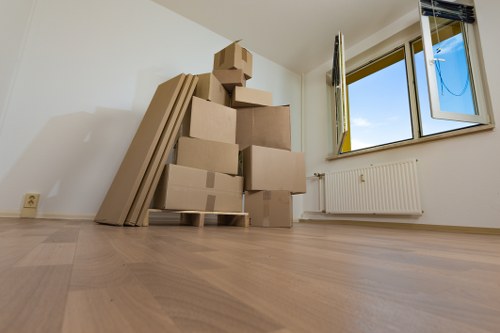 Our removals health and safety policy is designed to protect clients, staff, visitors, and property during every stage of a move. We recognise that moving furniture, packing contents, and handling heavy or awkward items can involve risk if tasks are not planned carefully. This policy sets out the standards we follow to reduce accidents, promote safe working, and maintain a professional service. It applies to all team members involved in domestic, commercial, and specialist moving work.
At the centre of our removals safety policy is a commitment to prevention. We aim to identify hazards before work begins, assess the level of risk, and put suitable controls in place. Every move is approached with a practical focus on safe lifting, clear communication, and good housekeeping. We also expect all workers to take responsibility for their own actions and to support colleagues in maintaining a safe environment.
 This policy is supported by regular training, supervision, and review. We expect our workforce to follow safe systems of work at all times, including the use of appropriate equipment and personal protective measures where needed. The aim is not only to avoid injury but also to prevent damage to goods, buildings, and access areas. A well-managed moving and handling safety policy helps ensure that each relocation is completed with care and consistency.
Our Safety Principles
We believe that good safety begins with planning. Before a job starts, the team considers access routes, stairs, fragile items, lifting requirements, parking arrangements, and any likely obstacles. If a task appears unsafe, we pause and adjust the approach rather than proceeding in a careless way. This commitment supports both safe removals practice and reliable service delivery.
Risk assessments are used to identify hazards and decide how they should be controlled. Typical risks include slips, trips, manual handling injuries, contact with sharp objects, unstable loads, and strain from repetitive movement. Where needed, additional controls such as extra team members, protective materials, or specialist equipment are introduced. We encourage a calm and organised working style so that every house move safety procedure is clear to all involved.
We also maintain high standards of communication. Team members must share information about fragile items, difficult access, or unusual handling requirements before and during the move. Clear instructions reduce confusion and help prevent unsafe shortcuts. Health and safety in removals depends on everyone understanding their role and speaking up if conditions change.
Safe Working Practices
 Manual handling is one of the main risks in the removals industry, so we place strong emphasis on correct lifting techniques. Workers are trained to bend the knees, keep loads close to the body, avoid twisting, and ask for assistance when needed. Heavy or bulky items should never be moved by one person if doing so would create unnecessary risk. This careful approach is part of our wider removals company safety policy.
We expect all equipment to be inspected before use. Trolleys, straps, blankets, ramps, and other handling aids must be in a safe condition and used properly. Damaged equipment is removed from service until it has been checked and repaired or replaced. Using the right tools not only improves efficiency but also lowers the chance of accidents during a safe removal service.
Housekeeping is equally important. Work areas should be kept tidy, with boxes stacked securely and walkways left free from hazards. Spillages must be dealt with promptly, and items should not be left in places where they may cause trips or falls. These simple habits support our moving safety standards and help create a safer environment for everyone present.
Protecting People and Property
 Special care is taken when handling fragile, valuable, or personal items. The team uses suitable packing materials and secure loading methods to protect goods from impact, pressure, or movement in transit. Where furniture or fixtures may be at risk, protective covers and careful positioning are used to reduce the chance of damage. Our removal safety policy is intended to protect both the items being moved and the buildings involved.
We also pay close attention to working conditions. Poor lighting, wet surfaces, tight corners, and restricted access can all increase risk, so these issues are reviewed before work begins. If necessary, the team will slow the pace, improve the setup, or change the sequence of tasks. This flexible approach supports safe moving operations without compromising quality.
In addition, we take the wellbeing of our team seriously. Breaks are provided where appropriate, and workers are encouraged to report fatigue, discomfort, or any condition that could affect safe performance. No one should continue with a task if they feel unable to do so safely. Respecting physical limits is a key part of our removals health and safety standards.
Monitoring and Continuous Improvement
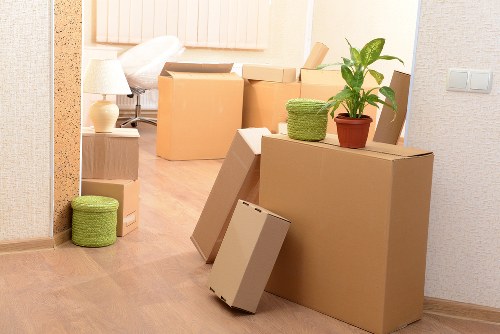 Health and safety is not a one-time exercise. We regularly review procedures, note incidents or near misses, and update working methods where improvements are needed. Feedback from internal checks is used to strengthen training and refine the way we work. This ongoing review helps ensure that our removals safety policy remains practical, current, and effective.
All workers are expected to comply with this policy and contribute to a culture of care and responsibility. Managers are responsible for providing suitable instruction, making sure risks are controlled, and taking action when standards are not met. By following clear rules and keeping safety at the centre of every job, we aim to deliver a dependable and well-organised service that protects people, property, and reputation.