Bermondsey removals for homes, flats and business premises

Bermondsey removals need a practical approach, careful handling and clear planning from the first enquiry to the final unloaded item. We provide a service centred on moving belongings safely, whether the job involves a compact flat, a family house, a shared property or a business address with furniture, fixtures and boxed contents that need to be moved with care. The focus is on making the move orderly, with a service that can be matched to the volume, access and timing of the work.
Our main removals work covers house moves, office relocations and flexible transport support for items that need more than a simple courier. That can include furniture, appliances, cartons, wardrobes, desks and mixed household goods. If you are comparing service levels, it helps to think first about access, packing, lifting and where each item needs to finish. That detail shapes the moving plan far more than the size of the property alone.
If you already know the basics of your move, the quickest next step is to ask for a quotation and outline what needs to go. If you are still planning, our team can still help you work out the right type of removals support for the job. Use the site to check the service pages and then request a quotation when you are ready.
House removals planned around the property, not just the postcode
Home removals work best when the moving method suits the layout of the property and the amount of furniture involved. A ground-floor flat, a maisonette with stairs, and a house with several large rooms do not need the same approach. We move the contents as a coordinated job rather than treating every item separately, which helps with heavier furniture, fragile pieces and the general flow of loading and unloading. The aim is a tidy process that respects the property and the contents.
For domestic moves, the main challenge is usually balance: enough protection for breakable items, enough space for larger furniture and enough organisation to keep boxes and loose items grouped by room or priority. We can support moves that include beds, sofas, tables, chests, white goods and the usual household mix, while keeping the move practical and orderly. If your move involves a tight stairwell, shared entrance or awkward access, it is worth planning that early so the removal method suits the building.
What a domestic removals service can cover
House removals often involve more than simply carrying furniture from one address to another. The service can include loading, transporting and unloading, with packing and unpacking support available where needed. Some customers only need help with the heaviest pieces; others want a fuller moving plan so they can concentrate on the changeover itself. Useful preparation is usually simple:
- group items by room or floor before moving day
- separate anything fragile or awkwardly shaped
- make sure entry points and parking arrangements are understood
- identify pieces that need dismantling or special handling
Office removals that keep desks, files and equipment organised

Office removals call for different decisions from domestic work because the contents may include desks, chairs, filing, screens, printers and stored documents that need to arrive in an organised state. We handle office relocation work in a way that supports business continuity, with a focus on sensible sequencing and careful movement of equipment. The exact method depends on the size of the office, the building layout and whether the move is from a single suite, a shared floor or a larger commercial premises.
Where office furniture must be removed before the new premises are ready, the move can be arranged around the timing and access available. Some relocations are straightforward, while others require a more measured approach because of lifts, loading bays or narrow corridors. The important point is to keep the movement controlled so that desks, chairs and boxed items are not mixed up unnecessarily. Clear labelling and sensible grouping can save time at both ends of the move.
For business customers, the useful questions are usually practical ones: what is being moved, what needs dismantling, what should travel first and what requires extra care. If you are moving office equipment as well as furniture, it is sensible to separate items that should not be stacked or tilted. When the removal plan is built around the actual contents, the result is easier to manage and less disruptive to the working day.
Flexible moving support for furniture, mixed loads and smaller jobs
Not every move needs a full household or office removal. Some customers only need furniture collection, a smaller van-based move or help transporting a mixed load between locations. In those cases, the service can be scaled to suit the job, with attention given to loading order, item protection and the best use of available space. That makes it suitable for one-off items, a few rooms of contents or a partial move between properties.
Furniture removals are often most useful when the items are bulky or awkward rather than particularly numerous. Sofas, wardrobes, mattresses, tables and cabinets can all benefit from careful handling, especially where doors, corners and staircases are tight. We can also support moves involving both furniture and boxed belongings, provided the load is arranged clearly. The key is to avoid cramming and to give each item a sensible place in the vehicle.
When a smaller move still needs planning, it is usually because the access is limited or the items are delicate, heavy or oddly shaped. A modest load can still take time if a bed frame has to be dismantled, if there is no lift, or if several large items must be carried through narrow communal areas. That is why a short description of the contents is often enough to shape the right service level.
Packing and preparation that make the move easier to manage

Packing and unpacking services can be a useful part of removals when time is tight or when customers want extra support with fragile or irregular contents. The purpose is not simply to put things in boxes, but to make sure items are packed in a way that suits transport and easy sorting at the other end. Good packing can help protect glassware, ornaments, books, documents and mixed household items that might otherwise shift during transit.
There are different ways to prepare, depending on whether the move is domestic or commercial. Some customers only need help with the most delicate items, while others want support with a broader range of contents. Packing service decisions usually come down to three things: the volume of possessions, the fragility of the items and the time available before moving day. If those three points are understood, it becomes easier to decide what should be packed by us and what can remain under your own control.
Useful preparation does not need to be complicated. A simple list of bulky furniture, fragile belongings and any access constraints can make the quotation process more accurate. If there are items that require special handling, such as artwork, monitors or unusually heavy furniture, those details should be included early. That way the moving plan reflects the real job rather than a general estimate based only on room count.
Removal vehicles, loading methods and the right level of transport support
The vehicle used for a removal matters because the load needs to fit securely, travel safely and be unloaded in a practical order. Whether the job calls for a moving van, a removal van or a larger removal truck depends on the quantity and type of items involved. We match the transport to the move rather than asking the move to fit an unsuitable vehicle. That keeps loading more controlled and reduces unnecessary handling.
Some moves are well suited to a straightforward man and van arrangement, especially where the contents are limited and the access is manageable. Others are better handled as a fuller removal service with more space and more structured loading. The best option depends on whether you are moving a few large items, a full set of household contents or a mixed office load. Size is only one part of the decision; item shape and fragility matter just as much.
If you are unsure which transport option fits the job, it is usually better to describe the contents plainly than to guess. A sofa, a bed, a dining set and several boxes may look manageable on paper, but they need a different loading pattern from a collection of lightweight cartons. Accuracy at this stage helps avoid underestimating the space required and makes the move more straightforward on the day.
Pricing, quotation details and the factors that shape the cost

Quotation requests are more useful when they focus on the features that change the amount of work involved. The main factors are the volume of items, the type of property, the access at each end, the need for packing or dismantling and whether the move is domestic or commercial. A small number of heavy items can require more effort than a roomful of lighter boxes, so it is worth describing the contents clearly rather than relying on general phrases.
When comparing removals services, it helps to look beyond the headline and check what the service actually includes. Some moves are simple transport jobs, while others need fuller support with handling, loading and unloading. We can quote for the work that is genuinely required, which keeps the plan aligned with the move itself. If there are awkward items, parking issues or time restrictions, those details should be included because they affect the working method.
For a clearer quotation, the most helpful information is often basic: what is moving, where it is coming from and going to, and whether any items need special care. That is usually enough to shape a sensible estimate. If you are ready, request a quotation. If you are still comparing options, take a moment to review the service pages and decide which level of support suits the job best.
About Bermondsey
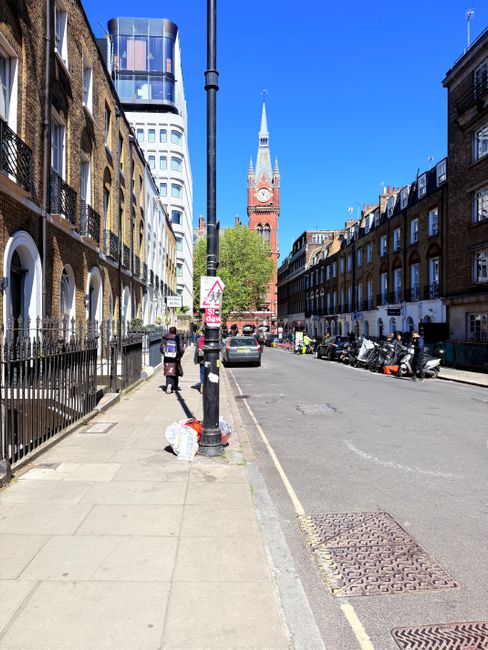
Bermondsey is a district in south-east London, within the London Borough of Southwark, long associated with the Thames-side edge of the city and with a history shaped by industry, trade and later regeneration. It lies south of the River Thames and east of central London, with a street pattern that reflects both older routes and more recent development. The area is known for a mix of converted warehouses, council estates, newer apartment buildings and surviving civic and industrial landmarks that show different phases of its growth. Bermondsey has deep historical roots: in the medieval period it was home to Bermondsey Abbey, and the name itself is commonly linked to the old English personal name Beornmund and the word for an island or dry ground in marshland. The locality later became an important riverside and manufacturing district, with food, tanning, leather and dock-related activity all leaving marks on its urban fabric. Over time, the closure of many industries made room for new housing and commercial schemes, yet traces of the older landscape remain visible in streets, wharves, viaducts and surviving public buildings. Bermondsey Street is one of the best-known thoroughfares, with independent galleries, cafés and restored buildings contributing to a lively cultural identity. Nearby, the riverside and warehouse conversions speak to the area’s changing relationship with the Thames, while Southwark Park provides open green space and a different pace within the same district. The area also includes landmarks such as the Leather Market, the Brunel Museum nearby at Rotherhithe, and the Shard visible from many streets, reinforcing its position within a dense and layered part of London. Together these features make Bermondsey a place where historic texture and modern city life sit close together, with architecture and local streetscapes telling much of the story.
Man and van removals for straightforward local transport
A man with a van or man with van removal service can be a practical choice for smaller removals where the job does not call for a large truck. It suits lighter household moves, transport of a few major items and situations where flexibility matters more than volume. The service can also be useful for furniture pick-up, short-notice transport needs or mixed loads that do not justify a fuller removal setup. The aim is to keep the move efficient without overcomplicating it.
That kind of support still benefits from organisation. Even with a modest load, it helps to know what is being moved, which items are fragile and whether anything must be carried through stairs or narrow access points. A smaller move may be quicker to arrange, but it still deserves careful attention to loading order and item protection. If the job is straightforward, the process can stay simple; if not, it should be treated with the same care as any other move.
Our removals service is therefore best thought of as a range rather than a single fixed method. Some customers want transport only. Others want help with loading, unloading and a more complete moving day structure. If that sounds like your situation, ask for a quotation and describe the job in plain terms.
Service options, access details and moving-day organisation

One of the most useful parts of any removal plan is deciding how the move should be organised at the property. Access, parking, stairs, lifts and shared entrances all influence how the work should be handled. A good moving plan does not have to be complicated, but it should be realistic. If an item cannot easily pass through a doorway or around a corner, that issue needs to be known before the job begins rather than discovered during loading.
For that reason, we recommend keeping your description practical and specific. A few clear points about the contents, building access and the kind of support you need are often enough for a solid quotation. If packing support is required, mention which items need it. If dismantling is needed, identify the furniture involved. If the move includes business equipment or delicate household items, say so early so the service can be planned appropriately.
The right removals service is usually the one that matches the actual job without adding unnecessary steps. Whether you need house removals, office removals or a smaller transport job, the best result comes from a clear plan and a sensible level of support. Contact us for a quotation and we can help shape the move around the items, the access and the destination.
House movers, removal company support and the wider moving service
As a removal company, we support different types of moving work under one practical service structure. House movers may need help with a complete property relocation, while other customers only need a partial move or transport for selected furniture. The range of service pages reflects those different needs, so you can choose the most suitable option rather than fitting every job into the same format. That matters because good removals are built around the real load and the real access, not a generic assumption.
If you are looking through the site, the most useful next step is to match the service to the task. Some pages focus on home moves, others on office relocation services, while the packing and pricing pages help you understand the practical detail behind the move. The point is to give you enough information to make a sensible decision before you ask for a quotation. Once the service level is clear, the planning becomes much simpler.
For a move that is organised properly from the outset, you do not need a long explanation of every stage. You need a service that understands the type of load, the property type and the level of support required. If that is what you are after, request a quotation and we will take the details from there.